Find the real story
Research, outreach and pre-interviews help us find a fresh angle. Location visits show us where people feel at ease and what we can film to tell the story.

Documentary production services
We research the context, earn trust and listen for the details only a contributor can tell us. That preparation gives people room to speak freely and gives the production a clear direction.
Before production
We research a contributor’s personal and professional context before the first pre-interview. Together, we identify meaningful memories, activities and places, then use what we learn to shape the questions, plan coverage and check facts.
Before filming, we explain what to expect and make time for contributors’ questions. Some people need a quiet, unhurried conversation. Others speak most naturally while doing something they know well.
The process
Every project is different. These are the working principles that hold the story together from first conversation to final delivery.
Research, outreach and pre-interviews help us find a fresh angle. Location visits show us where people feel at ease and what we can film to tell the story.
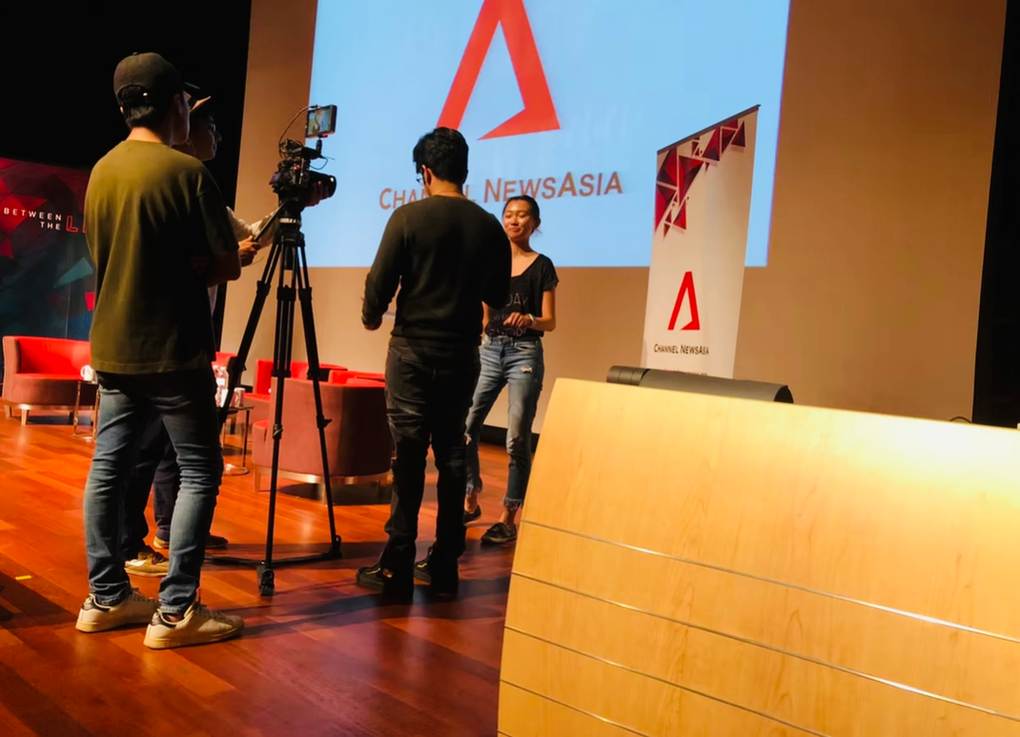
We explain the process and give first-time interviewees time to settle in. We adapt our direction to each person and help them speak confidently in their own words.
In the master interview, we ask precise, open-ended questions and follow the details that emerge. We check dates, claims and context so the finished film is accurate.
We film real activity and interactions in places that matter to the contributor. Photographs, archive, location sound and considered camera movement give the audience another way into the story.
We coordinate schedules, permissions, filming and post-production across contributors and locations. Each person’s voice, relationships and interests guide their part of the film.
Senior producers and directors guide research, filming and post-production. Experienced crew mentor students on set, with clear roles and handovers at each stage.
On set and beyond
Camera, sound and editing help audiences hear the contributor clearly and experience the setting for themselves.
We adapt to a student, elder, specialist, performer or public figure, creating the conditions for confident, natural speech.
Two-camera interviews capture expressions as they happen and give the editor choices while the conversation flows.
We use a gimbal when movement helps the audience follow real activity or understand how people relate to a place.
In healthcare and community settings, we work through permissions and protect contributors while making complex experiences clear to audiences.
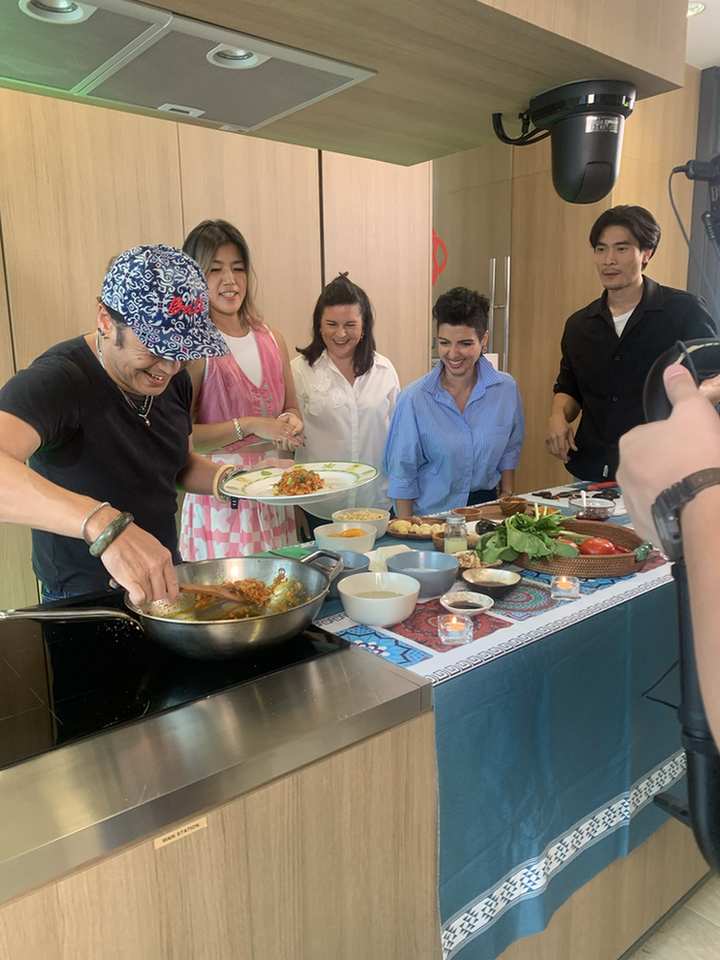
Each Makan Time Stories episode brings eight contributors together. Pre-interviews, recces and detailed scheduling make room for spontaneity on the day.
For Deutsche Welle’s HER, we combine clear sound and varied coverage of daily life with the editorial checks expected for international broadcast.
Facilitated dialogue
For My Home Your Home, food, music and personal experiences gave people a way into conversations about belonging. In Beyond the Label, films, interactive theatre and guided discussion helped young adults talk about mental-health stigma.
We prepare questions and set expectations, then give the group room to respond in its own way. Humour, unexpected connections and different points of view often reveal the most about a community.